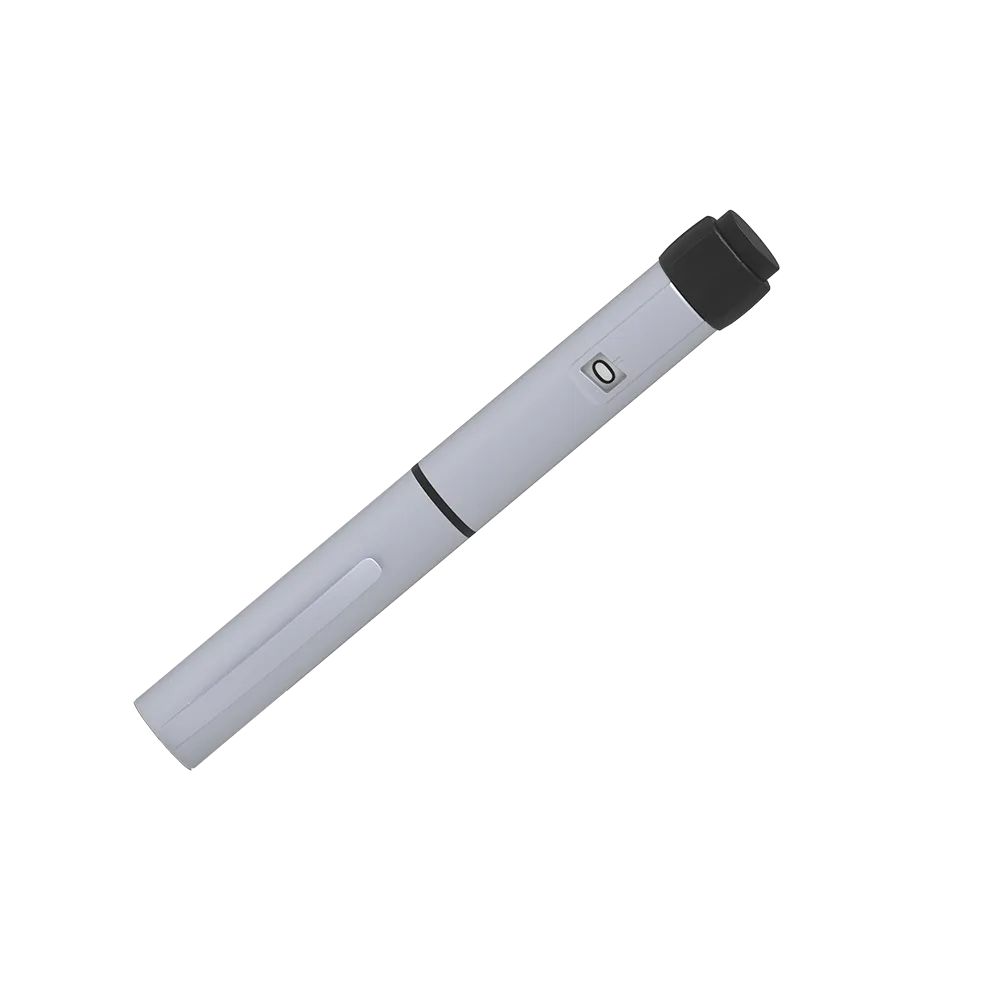
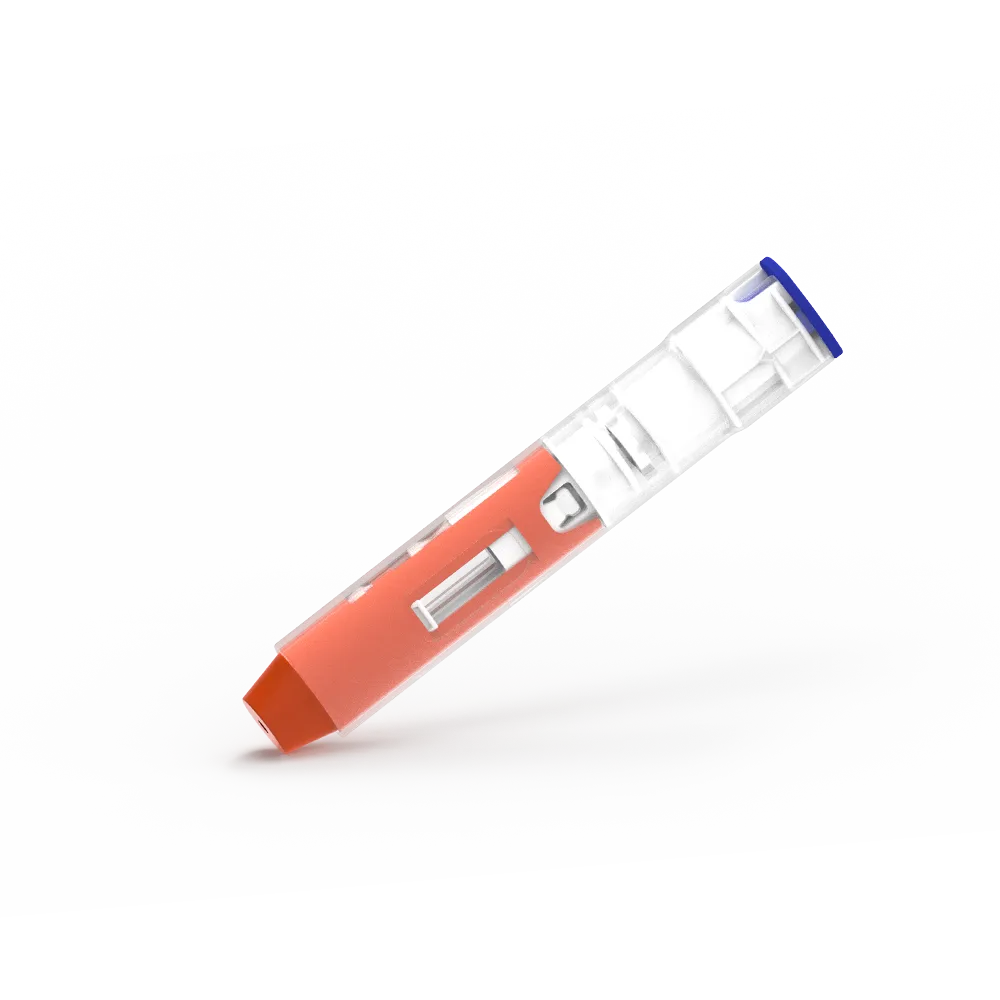
Managing diabetes efficiently is crucial, and one essential aspect involves the proper storage and travel of insulin pens. These convenient tools, such as the automatic injector or auto injection device, make insulin administration simpler, thus aiding in consistent diabetes management. However, ensuring their effectiveness requires adherence to storage and travel guidelines. This article offers a detailed look into proper refrigeration techniques, travel tips for keeping pens cool, air travel regulations, unrefrigerated storage limits, and selecting the best cases for insulin pen protection. Understanding these aspects will empower users to maintain the efficacy of their insulin delivery systems like reusable insulin pens and refillable insulin pen devices, ensuring optimal performance even while traveling.
Proper refrigeration is paramount in preserving the potency of insulin within automatic needle injector devices. Insulin pens typically require consistent cooling to retain their efficacy, generally between 36°F to 46°F (2°C to 8°C). Refrigeration slows down chemical decomposition and ensures that the insulin solution remains effective over time.
Insulin Storage Method | Temperature Range |
Refrigerated Storage | 36°F to 46°F (2°C to 8°C) |
Room Temperature Storage | 59°F to 86°F (15°C to 30°C) |
Too Cold | Below 36°F (2°C) |
Too Warm | Above 86°F (30°C) |
Ensure that insulin pens such as the reusable injection pen are kept away from freezing temperatures as this could alter their effectiveness. A fridge thermometer can help monitor the temperature, preventing any inadvertent freezing of insulin supplies.
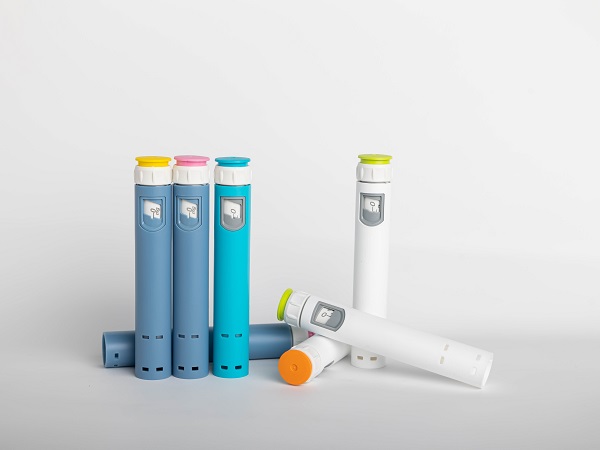
Traveling with insulin pens, including reusable insulin pens for sale, requires careful planning to ensure the medication remains unaffected by fluctuating environmental conditions. Whether utilizing a peptide pen or a standard insulin device, it is key to keep pens at a stable cool temperature.
Consider investing in cooling packs or insulated containers designed specifically for medication. When on the road, use a small cooler with ice packs to maintain temperatures conducive to insulin stability. These measures can prevent exposure to excessive heat or freezing, which affects pen reliability and insulin potency. Learn more about how to use injection pen for insulin.
Adequate comprehension of air travel regulations is crucial for safely transporting auto inject insulin pen onboard. The Transportation Security Administration (TSA) allows diabetics to carry insulin pens and associated supplies in carry-on luggage. Ensuring the pens are backed by a prescription or medical documentation helps ease security checks.
Requirement | Details |
Carry-on Regulations | Permissible with prescription |
Security Screening | Medical documentation advised |
Storage during Flight | Ensure consistent cool temperature using a small cooler |
Having a plan for storing these essential tools onboard can reduce anxiety related to insulin administration while traveling, ensuring smoother passage through airports.
The insulin pen case becomes crucial when discussing unrefrigerated storage of insulin pens. Insulin pens can be stored at room temperature once they've been opened, typically lasting about 28 days. Beyond this window, the insulin begins losing efficacy, impacting diabetes management.
Remember, during short trips or official meetings, stash your insulin pens in an insulated case that can maintain a stable ambient temperature, enhancing their shelf life outside refrigeration. Monitoring the timeframe and temperature exposure helps prevent insulin degradation, securing efficient diabetes care.
When pondering over the best cases for protecting your refillable insulin pen or other device variants, it's essential to look for options that offer insulation and durability. These cases effectively shield pens from temperature extremes, accidental drops, or exposure to harmful elements.
Feature | Advantage |
Insulation | Regulates temperature |
Durability | Protects against impact |
Portability | Ease of transportation |
Compartmentalization | Organizes supplies |
Consider cases featuring reflective materials that deflect heat, adding an extra layer of protection. Integrated cooling packs can provide the necessary climate control, making them indispensable for users traveling with insulin or looking for a reliable storage solution.
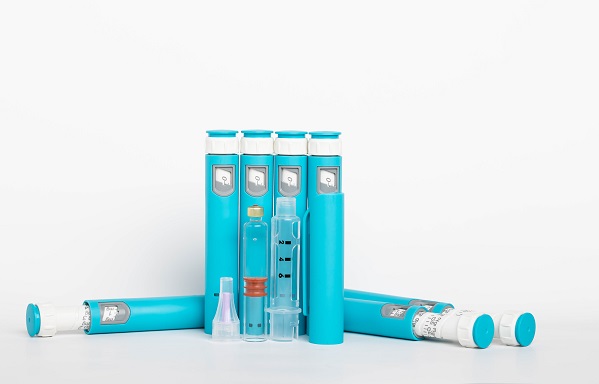
The journey of handling insulin pens, whether through an automatic injector or an automatic needle injector, is made seamless when armed with the knowledge of proper storage and travel techniques. Adhering to refrigeration practices, travel management approaches, and understanding air travel regulations ensures your insulin pens maintain their critical function. Selecting the right insulin pen case enhances protection, reducing uncertainty and boosting confidence in diabetes management. Recognizing these elements highlights our commitment to fostering quality health care, enhancing the efficiency of reusable injection pen devices, ultimately ensuring patient wellbeing during everyday activities or extensive travels.
References:

Hey, I'm Mike, a R&D engineer at Wanhai Medical, and I work with injection pens every day.
In the past decade, we have provided products and integrated services to over 180 renowned pharmaceutical companies, serving clients across more than 60 countries and territories worldwide.
My days are a "battle for details". This job's meaning is in countless "gentle moments". It turns cold medical processes into warm help, easing long-term injectors' fear and boosting their confidence. Behind it all is my social responsibility, rooted in professionalism and passion: "to make sure every user is well cared for."

 中文
中文
 English
 français
 Español
 العربية
 русский