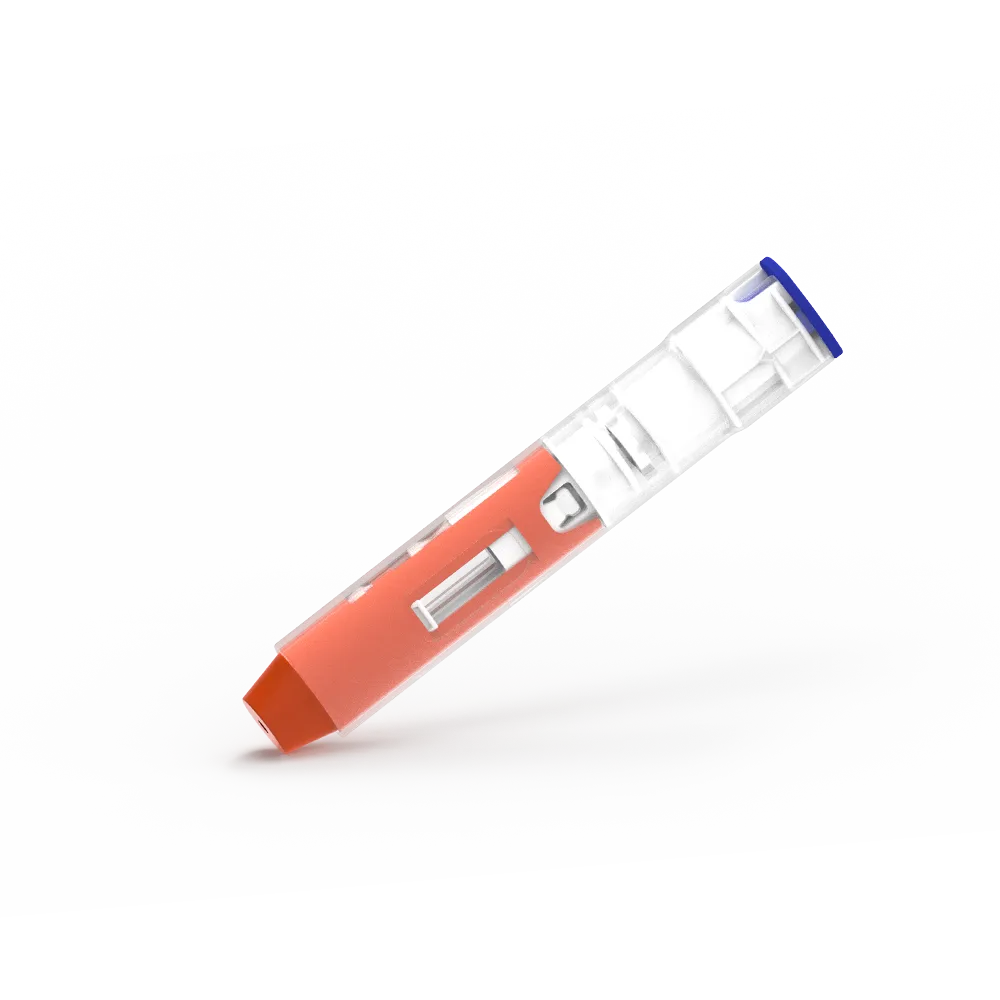
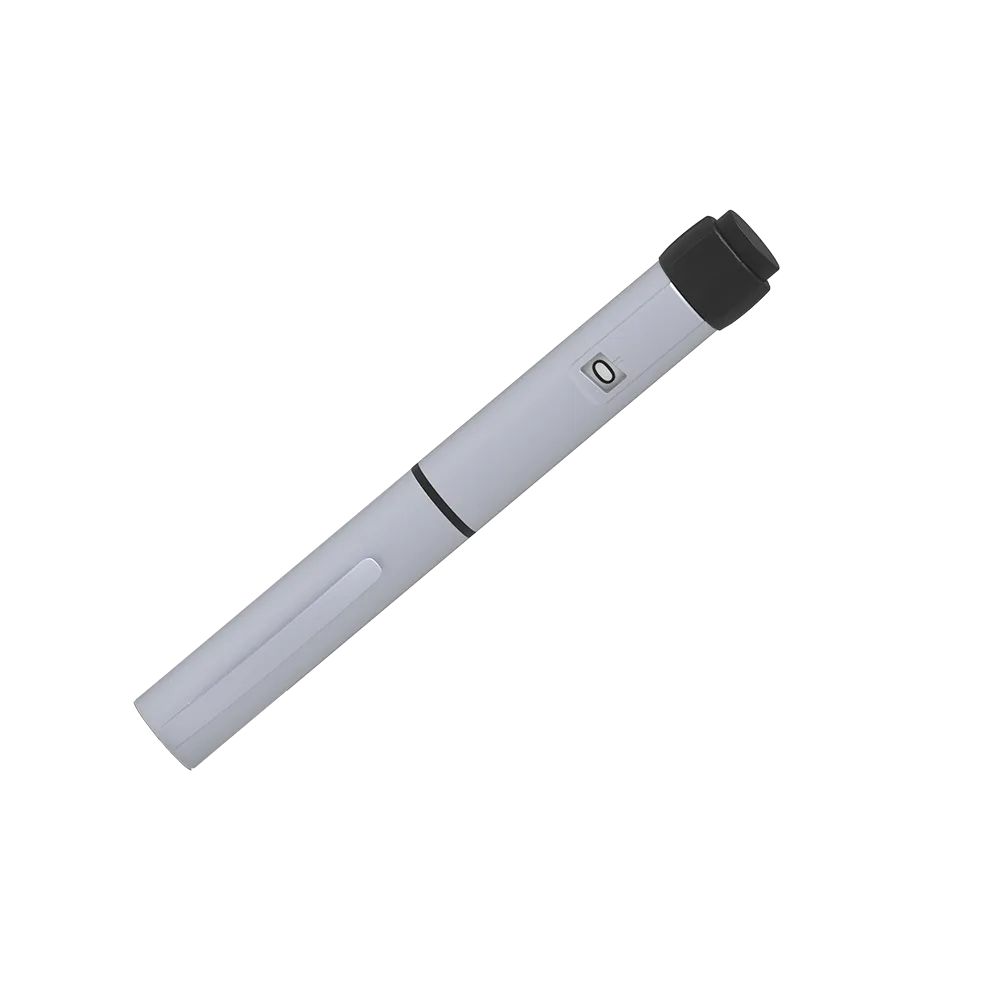
Choosing the right needle gauge is a critical decision when using a reusable injection pen or sourcing pen injectors for medical use. Among commonly used ultra-fine needles, 31G vs 32G needles are frequently compared for insulin delivery and other subcutaneous therapies.
But what is the actual difference—and how does it impact performance, comfort, and device compatibility?
In this guide, Wanhai Medical explains the real-world differences, clinical implications, and how needle selection ties into the broader difference between auto injector and pen injector systems.
Needle gauge refers to the diameter of the needle, and the relationship is inverse:
Higher gauge = thinner needle
32G is thinner than 31G
In terms of size:
31G ≈ 0.25 mm diameter
32G ≈ 0.23 mm diameter
While the difference may seem minimal, it can influence patient comfort, injection flow, and device performance.
32G needles are thinner and generally cause less pain and reduced tissue trauma
31G needles are still very comfortable but slightly more noticeable
For patients requiring frequent injections (e.g., diabetes), even small improvements in comfort can enhance adherence.
In practice:
31G = very low pain
32G = ultra-low / near painless
31G needles allow faster insulin flow
32G needles may have slightly slower delivery due to a narrower lumen
This makes 31G more suitable for:
Higher-volume injections
Viscous medications
While 32G is ideal for:
Precision dosing
Low-viscosity drugs like insulin
31G needles are slightly thicker → more durable
32G needles are finer → more delicate
For large-scale distribution or first-time users, 31G provides a better balance of strength and usability.
According to industry usage:
31G needles
Common for insulin injections
Suitable for subcutaneous delivery
Preferred in routine medical use
32G needles
Used for micro-injections and sensitive patients
Ideal for minimizing discomfort
Often used in pediatric or aesthetic applications
| Feature | 31G Needle | 32G Needle |
| Thickness | Very fine | Ultra-fine |
| Diameter | ~0.25 mm | ~0.23 mm |
| Comfort | Very comfortable | Maximum comfort |
| Flow Rate | Faster | Slightly slower |
| Durability | Higher | Slightly lower |
| Best Use | General insulin injection | Comfort-focused applications |
Modern pen injectors for medical use are designed to deliver medication precisely into subcutaneous tissue. The needle gauge directly affects:
Injection force required
Patient comfort
Drug delivery accuracy
Overall device experience
For manufacturers and distributors, choosing between 31G and 32G is not just clinical—it’s also a product positioning decision.
Understanding the difference between auto injector and pen injector helps clarify why needle gauge selection is important.
Manual or semi-automatic operation
User controls injection speed
Compatible with replaceable needles (31G, 32G, etc.)
Ideal for insulin therapy and chronic conditions
Fully automated, spring-driven systems
Pre-filled and single-use
Fixed needle specifications
Used for emergency or biologic drug delivery
Key takeaway:
Pen injectors offer flexibility in needle selection
Auto injectors do not
This is why gauge comparison (31G vs 32G) is especially relevant for reusable injection pen systems, where customization improves patient outcomes.
The rise of reusable injection pen solutions is transforming the medical device market.
Benefits include:
Lower long-term cost
Reduced environmental impact
Improved dosing accuracy
Better patient adherence
However, the needle choice becomes a key differentiator:
31G → reliability + efficiency
32G → comfort + premium experience
For distributors and OEM partners, offering both options can help target different market segments.
Wanhai Medical is a trusted manufacturer specializing in:
High-quality pen injectors for medical use
Precision-engineered needle systems (31G, 32G, and beyond)
OEM/ODM services for global healthcare brands
Our solutions are designed to deliver:
Consistent injection performance
Enhanced patient comfort
Broad compatibility with insulin and biologics
Whether you’re sourcing a reusable injection pen or expanding your product line, Wanhai Medical provides scalable, compliant solutions.
Faster injection speed
Better durability
High-volume or frequent use
Standard clinical applications
Maximum comfort
Reduced pain perception
Pediatric or sensitive users
Premium patient experience
Not necessarily “better”—just thinner. 32G offers slightly more comfort, while 31G provides better flow and durability.
Most modern pen injectors for medical use support both, but compatibility should always be verified.
Yes. It can influence:
Pain level
Injection speed
Drug absorption consistency
31G remains widely used due to its balance of performance and availability, while 32G is gaining popularity.
Unlike pen injectors, auto injectors typically do not allow needle customization—making gauge selection irrelevant in those systems.

Hey, I'm Mike, a R&D engineer at Wanhai Medical, and I work with injection pens every day.
In the past decade, we have provided products and integrated services to over 180 renowned pharmaceutical companies, serving clients across more than 60 countries and territories worldwide.
My days are a "battle for details". This job's meaning is in countless "gentle moments". It turns cold medical processes into warm help, easing long-term injectors' fear and boosting their confidence. Behind it all is my social responsibility, rooted in professionalism and passion: "to make sure every user is well cared for."

 中文
中文
 English
 français
 Español
 العربية
 русский