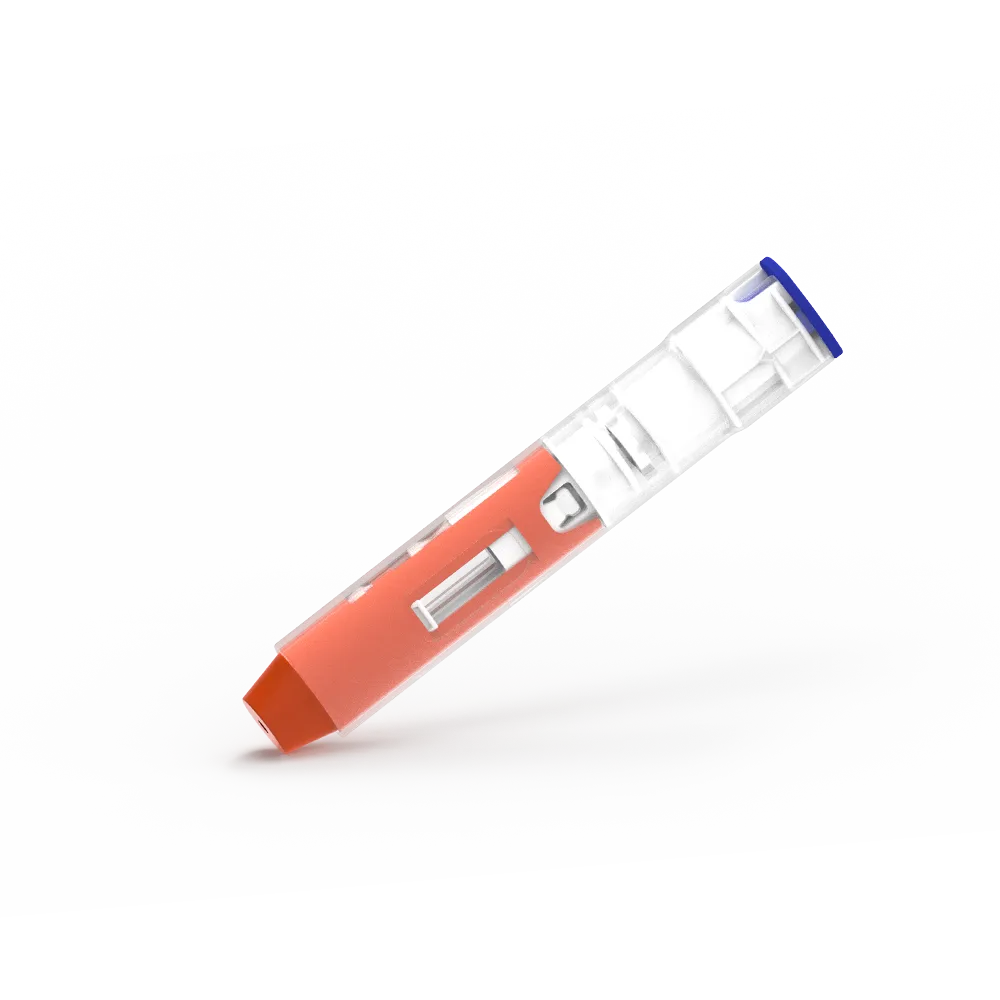
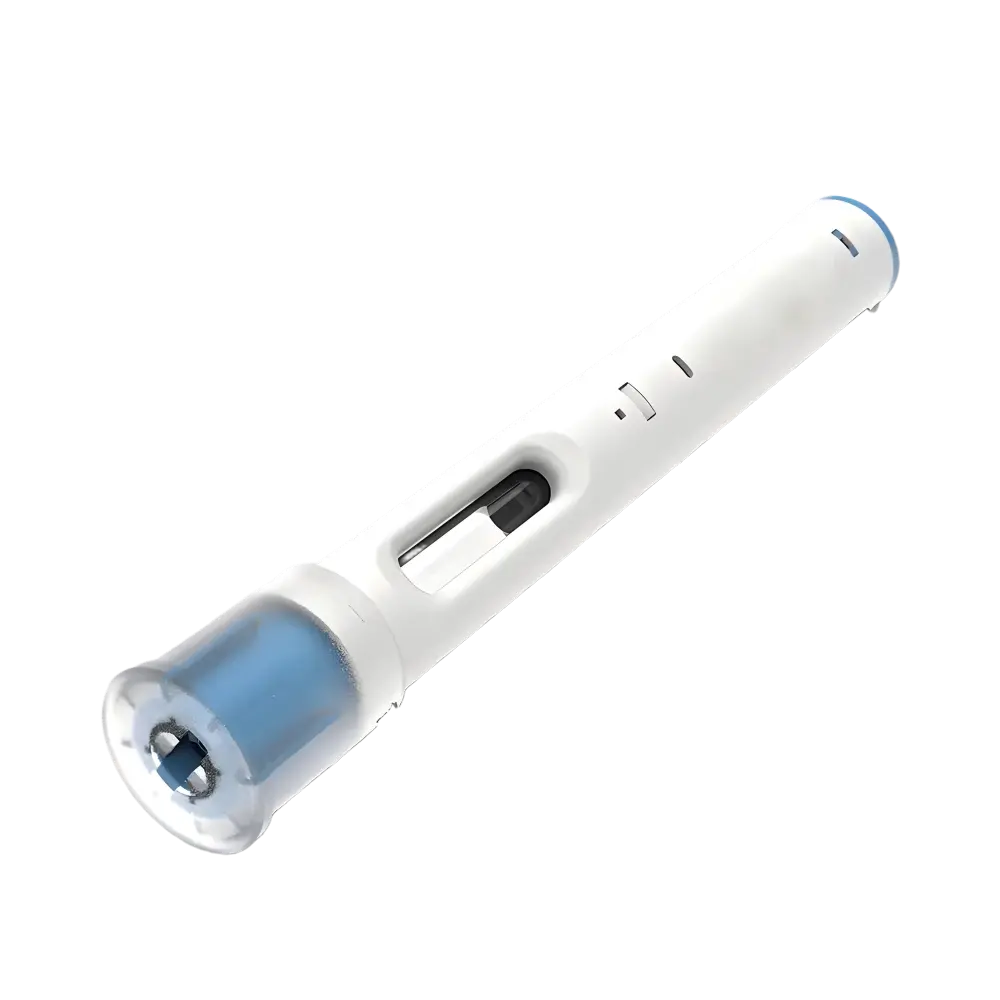
When choosing the right insulin injection pen or refillable injection pen, one detail often overlooked—but critically important—is the needle gauge. Among modern ultra-fine options, 32G vs 33G needles are the most commonly compared.
But what’s the real difference? And which one should healthcare providers, distributors, or end users choose?
In this guide, Wanhai Medical breaks down the key differences, clinical considerations, and business implications—helping you make an informed decision whether you’re sourcing reusable insulin pens for sale or optimizing patient experience.
The “G” in 32G or 33G stands for gauge, which refers to the needle’s thickness.
Higher number = thinner needle
Lower number = thicker needle
For example:
33G is thinner than 32G
32G is thinner than 31G
This inverse relationship is standard across all medical needles.
Today, insulin pen needles typically range from 29G to 33G, with 32G and 33G representing the ultra-fine category designed for maximum comfort.
The most noticeable difference is diameter:
33G needles are slightly thinner than 32G
Thinner needles generally cause less pain and tissue trauma
For patients with needle anxiety or frequent injections, this small difference can improve adherence.
In practical terms:
32G = very comfortable
33G = “almost painless” for many users
However, the difference is subtle, not dramatic.
While thinner needles improve comfort, they can slightly affect insulin flow:
32G needles allow smoother, faster insulin delivery
33G needles may create slightly more resistance, especially with viscous insulin
This is why some clinicians still recommend 32G for reliability, particularly in high-volume or clinical settings.
Ultra-thin needles must balance comfort with durability:
33G needles are more delicate
Slightly higher risk of bending if used improperly
For large-scale distribution or beginner users, 32G offers a safer margin.
32G needles are more widely available globally
33G options are newer and less standardized
For wholesalers or distributors sourcing reusable insulin pens for sale, this affects:
Supply chain stability
Cost control
Device compatibility
Better insulin flow
Higher durability
Widely available supply
Balanced comfort and performance
Maximum comfort
Reduced pain perception
Pediatric or sensitive users
In reality, both gauges are considered best-in-class for modern insulin delivery, and the choice often comes down to user preference and clinical context.
Gauge is only part of the equation. Needle length also plays a crucial role.
Most modern insulin injections use:
4mm–6mm needles (recommended for all body types)
Designed to deliver insulin into subcutaneous tissue safely
A thinner needle combined with optimal length ensures:
Accurate insulin absorption
Lower risk of intramuscular injection
Consistent glycemic control
With the rise of refillable injection pen, needle selection has become even more important.
Unlike disposable systems, refillable pens are designed for:
Long-term use
Cost efficiency
Sustainability
Pairing them with the right needle (32G or 33G) directly impacts:
Patient experience
Brand perception
Treatment compliance
At Wanhai Medical, we specialize in:
High-quality insulin injection pen systems
Precision-engineered pen needles (including ultra-fine gauges)
OEM/ODM solutions for global distributors
Our products are designed to deliver:
Consistent injection performance
Enhanced patient comfort
Reliable compatibility with leading insulin systems
Whether you’re sourcing reusable insulin pens for sale or developing a private-label solution, we provide scalable manufacturing and strict quality control.
| Feature | 32G Needle | 33G Needle |
| Thickness | Ultra-thin | Thinnest available |
| Pain Level | Very low | Minimal / near painless |
| Flow Rate | Better | Slightly slower |
| Durability | Higher | Slightly lower |
| Availability | Widely available | Limited in some markets |
| Best For | General use | Sensitive users |
Not significantly, but some users report a noticeable improvement. The difference is subtle but meaningful for frequent injections.
Yes, as long as proper technique is used and the insulin type is compatible.
Because they offer a better balance of comfort, flow rate, and durability, especially in large-scale distribution.
Most modern pen needles are designed with universal compatibility, but always confirm specifications with your supplier.5. Which is better for refillable injection pens?
Both work well, but 32G is often preferred for commercial distribution, while 33G is ideal for premium comfort-focused products.

Hey, I'm Mike, a R&D engineer at Wanhai Medical, and I work with injection pens every day.
In the past decade, we have provided products and integrated services to over 180 renowned pharmaceutical companies, serving clients across more than 60 countries and territories worldwide.
My days are a "battle for details". This job's meaning is in countless "gentle moments". It turns cold medical processes into warm help, easing long-term injectors' fear and boosting their confidence. Behind it all is my social responsibility, rooted in professionalism and passion: "to make sure every user is well cared for."

 中文
中文
 English
 français
 Español
 العربية
 русский