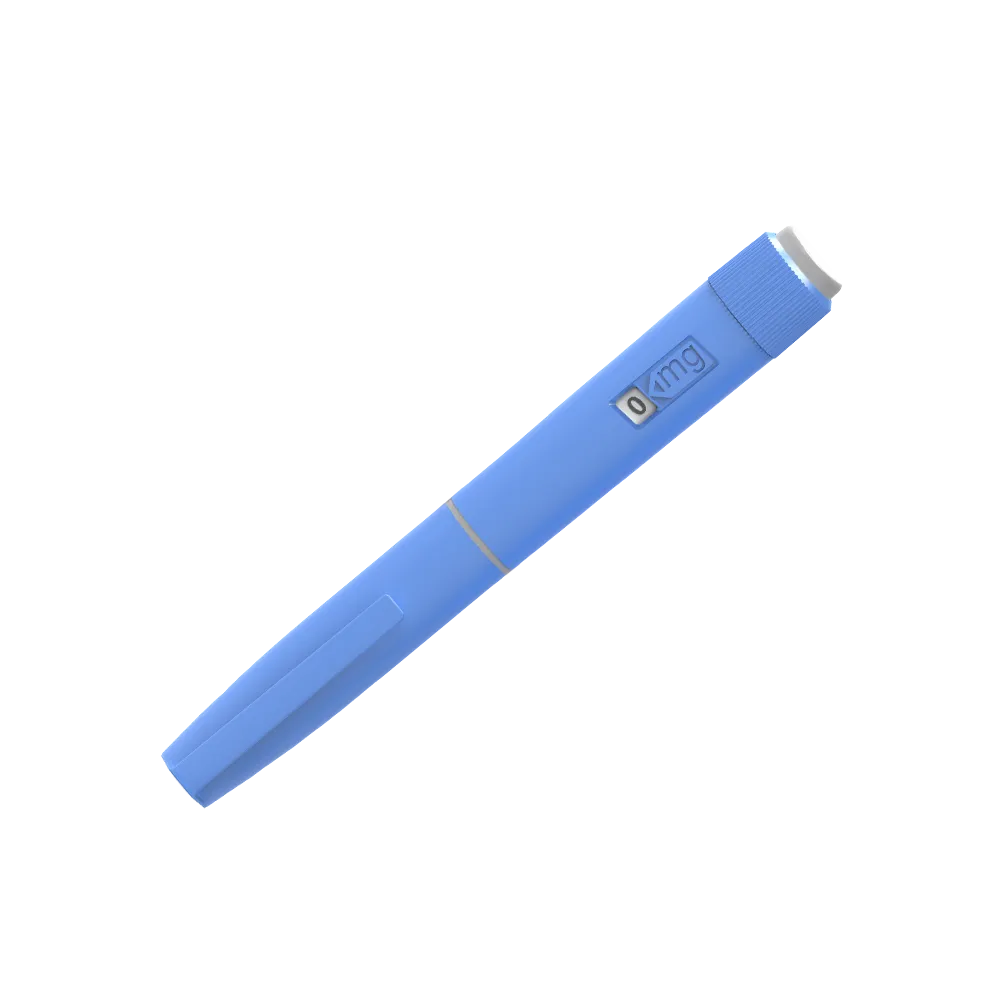
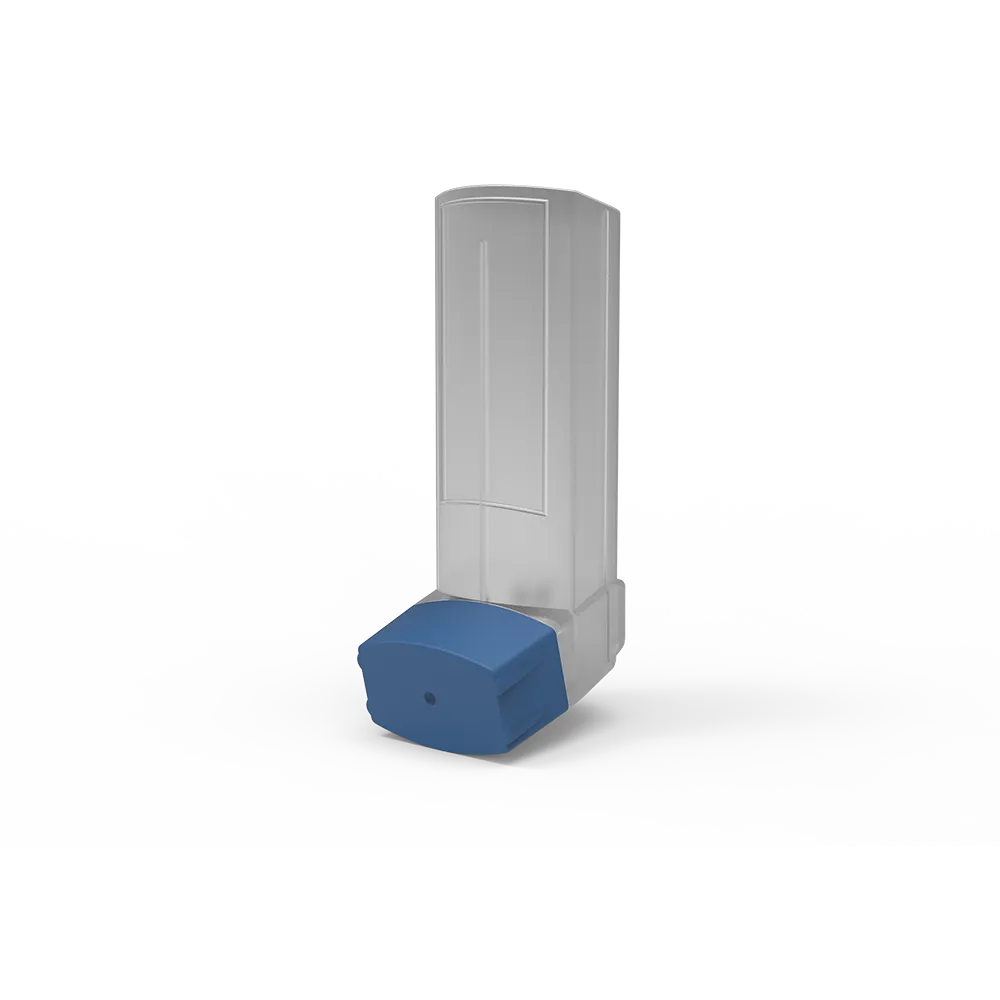
Reusable and disposable pen injectors may look similar, but they create different requirements for pharmaceutical development, manufacturing and lifecycle management. For a pharma company, the decision is not simply whether a device should be used once or many times. It affects the drug-container system, dose architecture, patient workflow, unit economics and regulatory evidence required for the final drug-device combination product. The FDA classifies products combining a drug or biological product with a delivery device as combination products, making device selection part of the broader product-development strategy.
A reusable pen injector is designed to remain in service while the medication cartridge and pen needle are replaced. It is commonly considered for long-term or frequently administered therapies in which patients use the same device body across multiple cartridges.
The reusable format may support fixed or variable dosing, depending on the platform and drug requirements. Because the mechanism remains with the user, development must account for repeated handling, cartridge replacement, dose setting, mechanical life and long-term readability of the user interface.
For pharmaceutical companies, a reusable platform can reduce the number of complete devices required throughout treatment. It may also support brand differentiation through durable materials, customized appearance and a premium user experience. However, it introduces more user steps and requires clear instructions for cartridge loading, needle attachment and operation.
A disposable pen injector is generally supplied as a complete prefilled system and discarded after the medication has been used. The user does not replace the cartridge or retain the main device for the next package.
This format can simplify preparation because the drug and device are integrated before distribution. It is often considered when convenience, low training burden and a ready-to-use presentation are important. Depending on the treatment protocol, the device may provide fixed or adjustable dosing.
For the pharmaceutical company, the disposable format places greater emphasis on coordinated filling, device assembly, labeling, packaging and final product control. More devices are required over the commercial lifecycle, but the simpler patient workflow can support consistent use.
| Factor | Reusable Pen Injector | Disposable Pen Injector |
|---|---|---|
| Device lifecycle | Used with multiple replacement cartridges | Discarded after the prefilled drug is depleted |
| Drug container | Replaceable cartridge | Cartridge integrated into the finished device |
| User steps | Cartridge loading, needle attachment and dose setting | Usually fewer preparation steps |
| Best fit | Long-term, recurring treatment | Ready-to-use treatment and simplified handling |
| Brand positioning | Durable, premium and customizable | Convenient, integrated and therapy-specific |
| Manufacturing model | Device and cartridge may be supplied separately | Filling, assembly and packaging are closely integrated |
| Development focus | Mechanical durability and repeated-use usability | Assembly control and finished-system performance |
Neither option is automatically better. The stronger choice is the one that matches the therapy and can be verified as a complete system.
Dosing frequency is one of the most important selection factors. A therapy administered frequently over a long period may benefit from a reusable device because the patient keeps the injector and replaces only the cartridge and needle. This approach may be suitable when treatment requires dose adjustment or when the brand wants a durable device experience.
A disposable pen may be more appropriate for a defined treatment course, a fixed presentation or a prefilled format intended to minimize preparation. It can also be attractive when each drug pack should contain a complete injection system without requiring the user to retain a separate device.
The drug itself must also be evaluated. Dose volume, viscosity, injection force, dosing increments, concentration and container compatibility can affect platform selection. A device chosen mainly for marketing reasons may fail if the mechanism cannot reliably deliver the formulation or the cartridge does not support the required fill volume.
The selection process should begin with product requirements rather than device appearance. The development team should define intended users, injection frequency, dose range, container format, target markets, annual volume and expected product lifecycle.
Human factors are essential because the user interface must support safe and effective operation under expected conditions of use. FDA guidance for injector combination products addresses technical performance and user-interface assessment. A reusable device may require greater attention to cartridge replacement and repeated operation, while a disposable device may focus more on activation, dose completion and disposal.
Commercial planning matters as well. Reusable devices require coordination between the durable injector and recurring cartridge supply. Disposable pens require scalable device output for every treatment unit sold. Forecast volume, molding capacity, assembly automation, quality controls and supply continuity should be reviewed before the platform is finalized.
Before choosing a reusable or disposable platform, pharmaceutical companies should confirm whether the device can support the required dose accuracy, container and injection force. They should also evaluate customization limits, prototype availability, verification requirements, production capacity, intellectual property and regulatory documentation.
A qualified manufacturer should support the project from drug and user requirements through platform selection, dose design, appearance development, testing, tooling and mass production. Early collaboration is valuable because changes to the cartridge, mechanism or user interface can affect several parts of the combination product at once.
The choice between a refillable pen injector and a disposable pen injector should be based on the complete drug-delivery strategy. Reusable systems can support long-term treatment, replaceable cartridges and a durable user experience, while disposable systems offer an integrated format with fewer preparation steps. Therapy frequency, dose requirements, container compatibility, user needs, production scale and regulatory considerations should therefore be evaluated together.
Based on these requirements, Wanhai Medical can help pharmaceutical and biopharmaceutical companies evaluate a suitable reusable pen injector, disposable pen injector or custom injection pen solution.
Contact Wanhai Medical to request a tailored solution!

Hey, I'm Mike, a R&D engineer at Wanhai Medical, and I work with injection pens every day.
In the past decade, we have provided products and integrated services to over 180 renowned pharmaceutical companies, serving clients across more than 60 countries and territories worldwide.
My days are a "battle for details". This job's meaning is in countless "gentle moments". It turns cold medical processes into warm help, easing long-term injectors' fear and boosting their confidence. Behind it all is my social responsibility, rooted in professionalism and passion: "to make sure every user is well cared for."

 中文
中文
 English
 français
 Español
 العربية
 русский