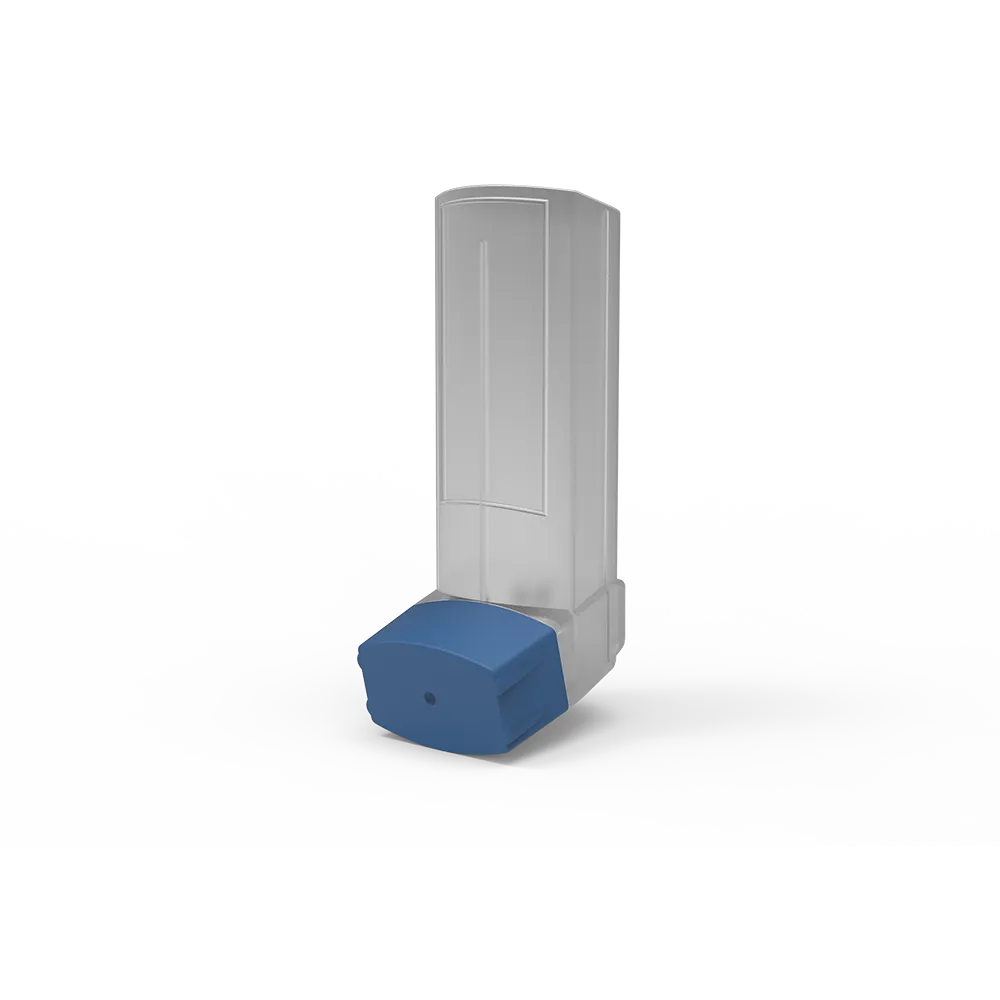
Insulin pens have revolutionized the field of diabetes treatment, offering a number of advantages over traditional pen injections:
Insulin and injection device in one unit, simplifying the procedure.
Easy to carry.
The injection process is simpler and more discreet.
More accurate dosage.
Less pain.
Because of this, more and more people with diabetes are using insulin pens for their injections.
In the clinical operation, it is found that after the injection and withdrawal of the needle with insulin pen, liquid leakage may occur at the eye of the needle, which reduces the utilization of insulin and affects the effect of glycemic control.
This is mainly due to the fact that the needle of insulin pen is thin, the time of injecting medicine into the body is relatively longer, and the absorption of medicine in the area where the needle tip is located will be slowed down with the increase of the injected dose.
Prolonging the retention time of the needle under the skin can reduce the leakage phenomenon.
We usually ask patients to use the insulin injection pen for injection, after the knob is fully pressed, it should be left for at least 10 seconds before the needle is withdrawn.
This not only ensures that the dose of the drug is injected into the body comprehensively, but also prevents leakage of the drug.
When the dose of insulin injected is large, it is necessary to leave the needle in place for more than 10 seconds.
In addition, the flow rate of the liquid is also related to the inner diameter of the pen needle, the larger the inner diameter of the needle, the faster the flow rate of the liquid, and the less likely to leak.
Clinically, there are needles with “thin-wall” design, which have a larger inner diameter with the same outer diameter, thus reducing the discomfort of injection and ensuring the speed of insulin flow, which is more conducive to the body’s absorption of insulin.
For example, the unique thin-wall technology of NovoNeedleTM makes the inner lumen of the syringe larger, which increases the insulin flow rate and reduces the injection resistance.
A study of diabetic patients showed that 50.8% were reluctant to start insulin therapy because of fear of pain.
The analysis revealed that:
Children, due to painful experiences with immunization.
Adolescents, due to peer pressure and resistance.
Adults, due to psychological insulin resistance.
Generally have psychological barriers to painful injections before receiving insulin therapy in diabetic patients.
For some patients who are unusually sensitive to pain, the following small details can help reduce the pain of injection pens:
Keep the insulin pen being used at room temperature.
Allow the alcohol to evaporate completely before injecting.
Make sure there are no air bubbles in the cartridge.
Be decisive and quick in inserting the needle.
The needle should be inserted and removed in the same direction.
Relax the muscle.
Change the injection site correctly.
Replace the needle with a new one for each injection.
Avoid injecting in scarred or hardened areas.
Avoid injecting at the root of the hair.
Use shorter and thinner specialized needles.
Inject slowly and make sure the button of the pen is pushed in completely.
Since the needles used in insulin injection pens are shorter and thinner than those used in injection pens, the pain of injection is very low and acceptable to most patients.
For example, Novo Needle@32G Tip adopts a conical barrel design, with the tip of the needle being 0.23mm (32G) and the bottom of the barrel being 0.25mm (31G), which reduces the pain when the tip of the needle penetrates into the skin, as well as the chances of bleeding and bruising.
At the same time, the tip of the needle is covered with a special silicone film and processed by multiple electronic polishing, which makes the tip of the needle sharp and smooth, and the injection is really as painless as if it were painless.
We need to remind you that insulin injection needles have a special coating on the surface, which can play a lubricating role in the injection process.
The coating will be damaged after one use, and the injection pain will be aggravated by repeated use.
In addition, repeated use of needles will also cause:
Tissue micro-trauma
Infections
Broken needles
Hard knots of subcutaneous fat
So the needles should be used once.
The information is from the Internet and is for reference only.

Hey, I'm Mike, a R&D engineer at Wanhai Medical, and I work with injection pens every day.
In the past decade, we have provided products and integrated services to over 180 renowned pharmaceutical companies, serving clients across more than 60 countries and territories worldwide.
My days are a "battle for details". This job's meaning is in countless "gentle moments". It turns cold medical processes into warm help, easing long-term injectors' fear and boosting their confidence. Behind it all is my social responsibility, rooted in professionalism and passion: "to make sure every user is well cared for."

 中文
中文
 English
 français
 Español
 العربية
 русский