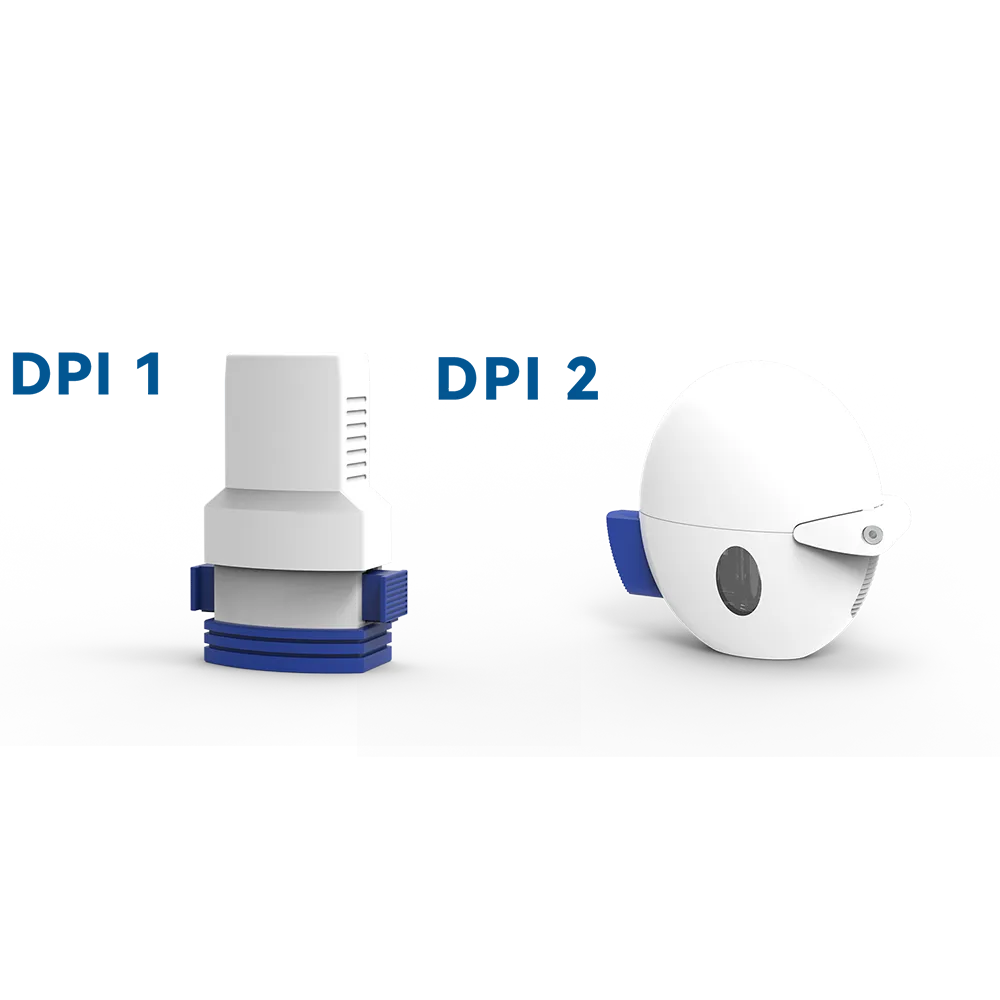
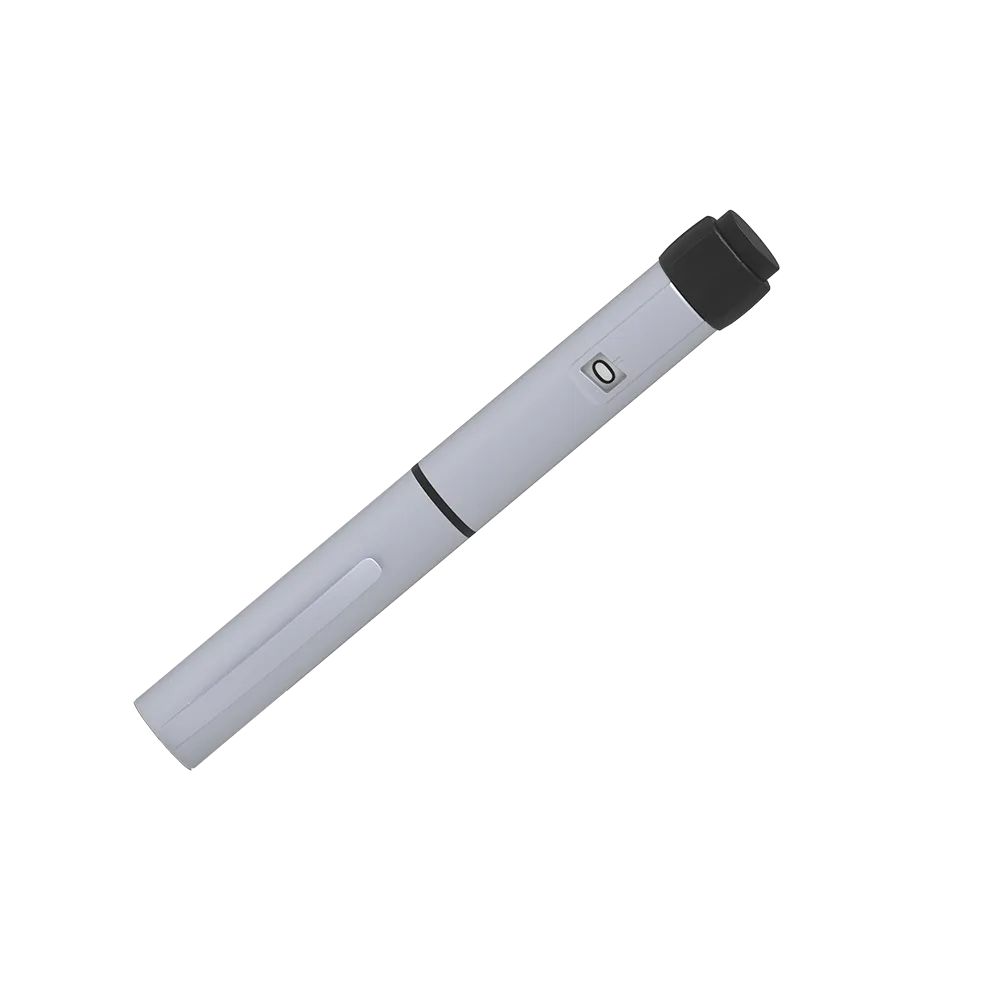
In modern healthcare, automatic injector devices like insulin pen cases and peptide pens play a critical role in improving the quality of life for patients requiring regular doses of medication. As healthcare shifts from traditional settings to home care, these devices offer a myriad of benefits, including the convenience and flexibility necessary for self-management. This article explores the comprehensive role of auto injection devices in home care, discussing the benefits for chronic patients, training requirements, infection prevention, monitoring adherence, and integration with the burgeoning field of telehealth.
Chronic patients, often needing long-term medication, find immense benefit in the use of auto injection device such as refillable insulin pens and reusable injection pens. These devices empower patients by allowing them greater control over their treatment regimens, facilitating adherence, and increasing their comfort levels, all of which are crucial for improving clinical outcomes.
Device | Benefit |
Reusable insulin pen | Cost-effective over the long term |
Automatic needle injector | Reduces user discomfort, easy to use |
Insulin pen case | Provides safe storage and portability |
With reusable insulin pens for sale, manufacturers offer a solution that is not only environmentally friendly but also addresses the economic challenges of frequent purchases. By enabling ease of use and accurate dosing, these devices enhance patient autonomy and minimize potential errors associated with traditional syringe methods.
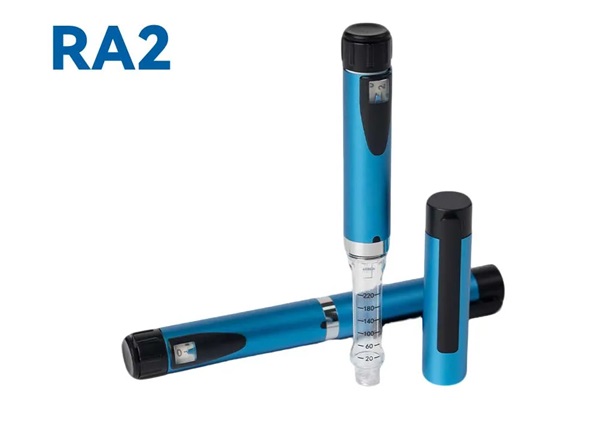
The adoption of auto injection devices necessitates patient education and training to ensure safe and effective use. Health professionals play a pivotal role in this process, offering guidance on device handling, dosage settings, and injection sites to optimize treatment efficacy and patient confidence.
Training Aspect | Objective |
Device handling | Ensure proper usage technique |
Dosage settings | Prevent medication errors |
Injection sites | Achieve maximum efficacy |
Through training, patients become skilled in using reusable insulin pens, improving their ability to manage their health independently. This support structure is crucial, particularly when introducing new devices into a patient's treatment plan.
With increasing reliance on home care devices, infection prevention remains a paramount concern. Proper hygiene practices and device care are vital to mitigate risks, ensuring the health and safety of patients.
Preventive Measure | Practice |
Device sanitation | Regular cleaning and disinfection |
Hygiene education | Patient education on hand hygiene |
Safe disposal | Proper disposal of needles and cartridges |
By incorporating robust infection control protocols, the use of auto injection devices can drastically reduce the risk of infection, thereby enhancing patient safety in the home care setting. This includes educating patients on best practices for device maintenance and hygiene.
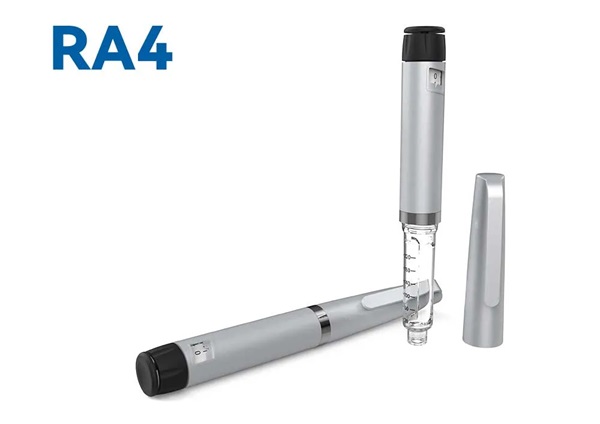
Monitoring medication adherence is critical to treatment success. Automatic needle injectors coupled with adherence technologies help healthcare providers track patient compliance, using smart data analytics to identify patterns and provide timely interventions.
Adherence Tool | Functionality |
Smart caps | Track and log usage times |
Apps | Send reminders, provide analytics |
Tools such as these transform reusable pen injectors into reliable adherence companions, providing healthcare providers with valuable data that can inform treatment adjustments and enhance patient outcomes.
The integration of auto injection devices with telehealth systems represents a forward-looking approach to healthcare. This integration facilitates remote patient monitoring, enabling continuous care and enhancing the patient's ability to manage their condition from the comfort of their home.
Telehealth Benefit | Impact |
Remote monitoring | Real-time data transmission to care providers |
Virtual consultations | Access to healthcare expertise, without geographical barriers |
Through these technological advancements, reusable pen injector not only provides immediate healthcare support but also contribute to a more comprehensive, patient-centered approach, fostering continuous engagement between patients and healthcare providers.
In conclusion, automatic pen injectors for medical use in home care settings offer significant advantages for both patients and healthcare providers. From enhancing patient autonomy and ensuring optimized adherence to offering seamless telehealth integration, these devices are revolutionizing how patients manage chronic conditions. As healthcare continues to evolve, the role of these auto injection devices will only grow, providing smarter, more efficient, and patient-centric solutions.

Hey, I'm Mike, a R&D engineer at Wanhai Medical, and I work with injection pens every day.
In the past decade, we have provided products and integrated services to over 180 renowned pharmaceutical companies, serving clients across more than 60 countries and territories worldwide.
My days are a "battle for details". This job's meaning is in countless "gentle moments". It turns cold medical processes into warm help, easing long-term injectors' fear and boosting their confidence. Behind it all is my social responsibility, rooted in professionalism and passion: "to make sure every user is well cared for."

 中文
中文
 English
 français
 Español
 العربية
 русский