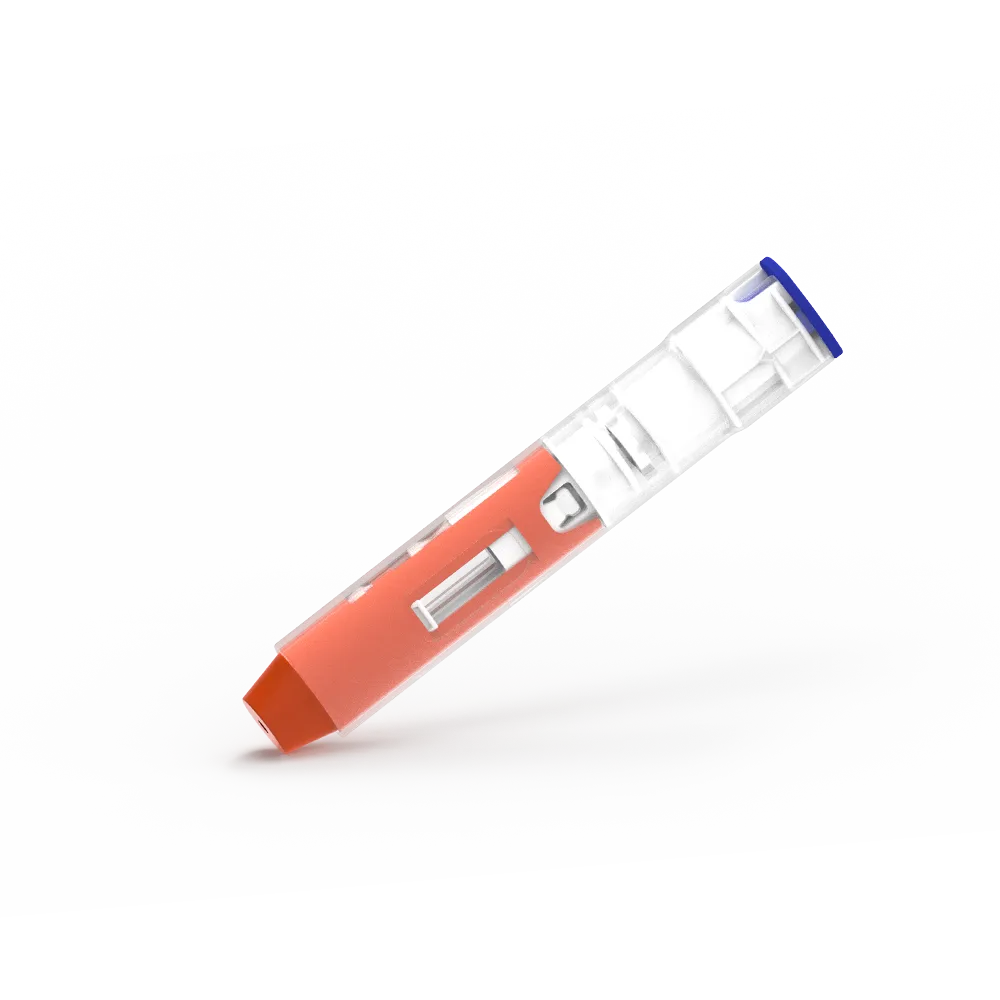
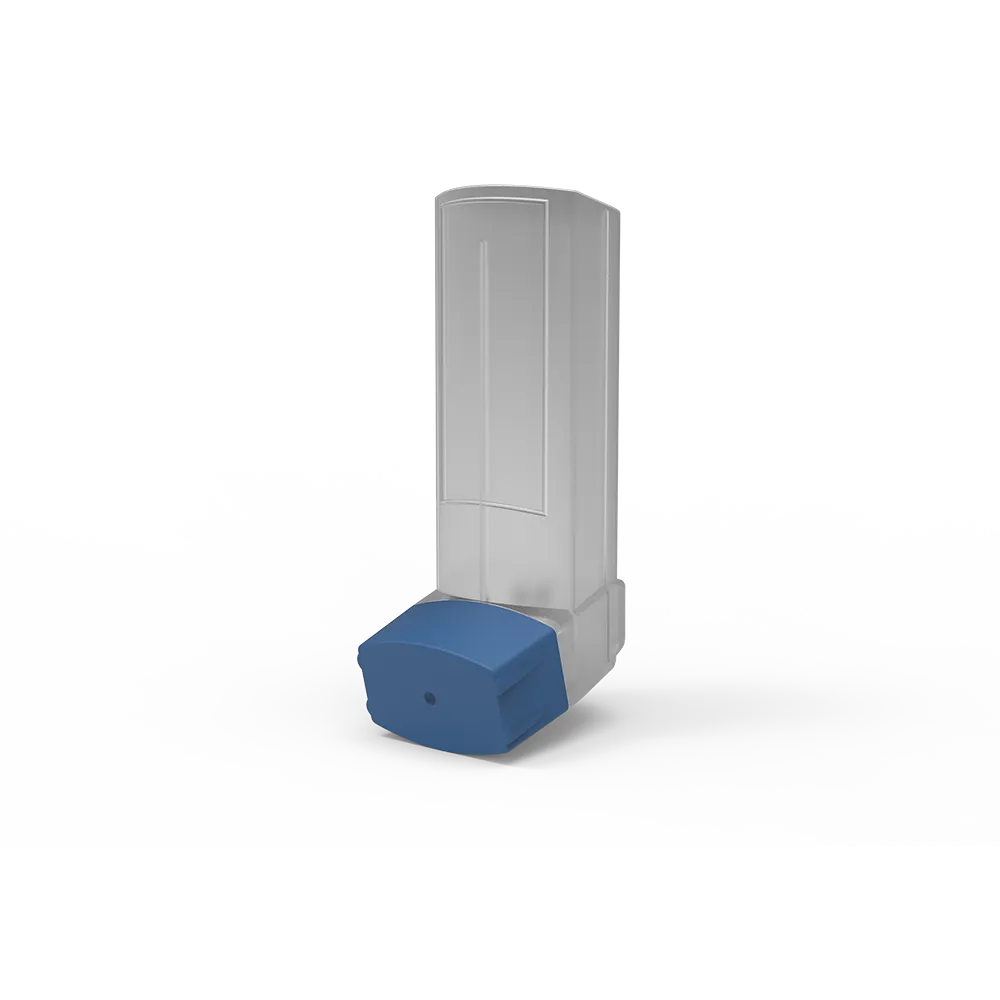
Due to the different cultural level, family background, personal character and other aspects of diabetic patients, there will be a lot of errors in the use of the injection pen, can not use the insulin injection pen correctly, and can not achieve the expected results. For example, before the operation, there is no adequate preparation, ignoring the identification of the expiry date of the insulin, the quality and appearance of the refill, and the cleanliness of the hands, etc.; in terms of the operation method, forgetting to ventilate the air, shaking the insulin well, choosing the injection site improperly or sterilising the injection site incompletely, and inappropriate movements when injecting.
People with diabetes have incomplete knowledge about storage of insulin pens and other related aspects. Storage of insulin pen refills can be categorised as either in use or inactive. For in-use refills, they should be kept below 30°C as much as possible and protected from light and heat. Unused refills should be stored in the refrigerator freezer, but not in the freezer. Refills stored in the freezer should be rewarmed at room temperature for half an hour before use.
The use of insulin is also affected by the degree of illness of the patient. For some patients with serious conditions, they are unable to master this technique correctly due to their own reasons, resulting in the occurrence of postprandial hypoglycaemia or hyperglycaemia. Therefore, nursing interventions for patients should be strengthened and humane nursing care should be adopted, especially focusing on psychological care.
It takes not only the efforts of the diabetic, but also the co-operation of a number of people to get the condition under control. In addition to health guidance for diabetic patients during hospitalisation and check-ups, attention should be paid to the important role of family supporters in daily care. Therefore, while keeping abreast of the patients' health conditions, nursing staff should also provide their family supporters with knowledge about diabetes and psychological assistance, so that the patients can recover earlier through the joint efforts of the patients and their families.
Strengthening the self-management awareness of diabetic patients, and making them learn the basic knowledge about diabetes on their own initiative and consciously, which will play a great role in promoting their own recovery. For example, by consciously understanding the relevant examinations for diabetes, the mechanism of its onset, and by keeping good monitoring records, etc., only through the strengthening of patients' awareness of self-management can we ensure the quality of life of patients and the recovery of their condition.
Diabetes knowledge brochures are distributed in the community, and doctors are invited to participate in organising health knowledge lectures and health consultations, so that doctors and patients can have full communication and understanding, thus guiding patients to get rid of their misconceptions, make preparations for prevention beforehand, and improve their quality of life.
Nursing staff should increase education on insulin pen injection techniques and the purpose of the operation, so that patients clearly know the correct use of insulin pens, and consciously correct irregular practices. A one-on-one approach was adopted to explain to the patients the structure, maintenance, working principle of insulin pens as well as knowledge about diabetes, and to demonstrate how to use the insulin pens correctly. Then under the guidance of nursing staff, let the patients operate this process independently, and correct the mistakes in time, so that repeated several times, so that the patients can be discharged from the hospital, without the presence of nursing staff to use the insulin pen correctly by themselves.
To sum up, by analysing the problems in the use of insulin pens and the improvement of the measures, so as to enable diabetic patients to master the correct use of insulin pens, and play a certain positive role in ensuring their quality of life.
The information is from the Internet and is for reference only.

Hey, I'm Mike, a R&D engineer at Wanhai Medical, and I work with injection pens every day.
In the past decade, we have provided products and integrated services to over 180 renowned pharmaceutical companies, serving clients across more than 60 countries and territories worldwide.
My days are a "battle for details". This job's meaning is in countless "gentle moments". It turns cold medical processes into warm help, easing long-term injectors' fear and boosting their confidence. Behind it all is my social responsibility, rooted in professionalism and passion: "to make sure every user is well cared for."

 中文
中文
 English
 français
 Español
 العربية
 русский