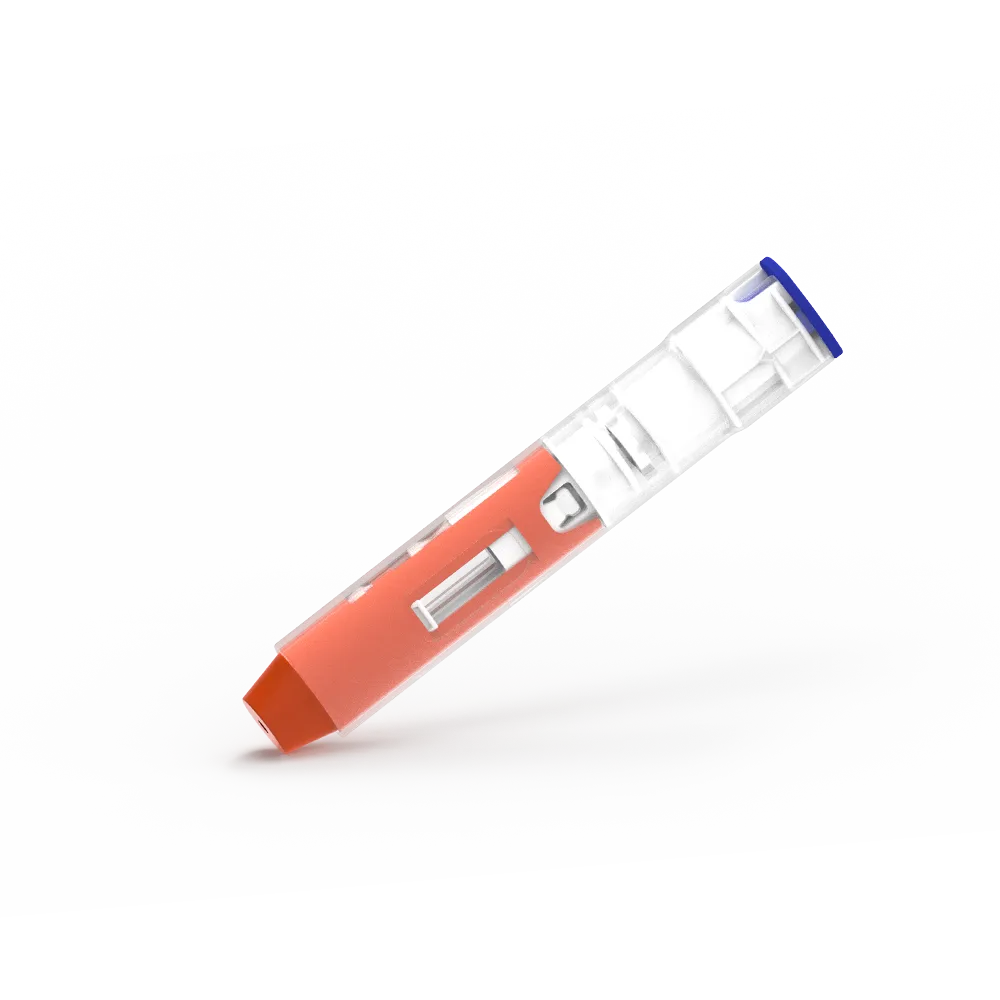
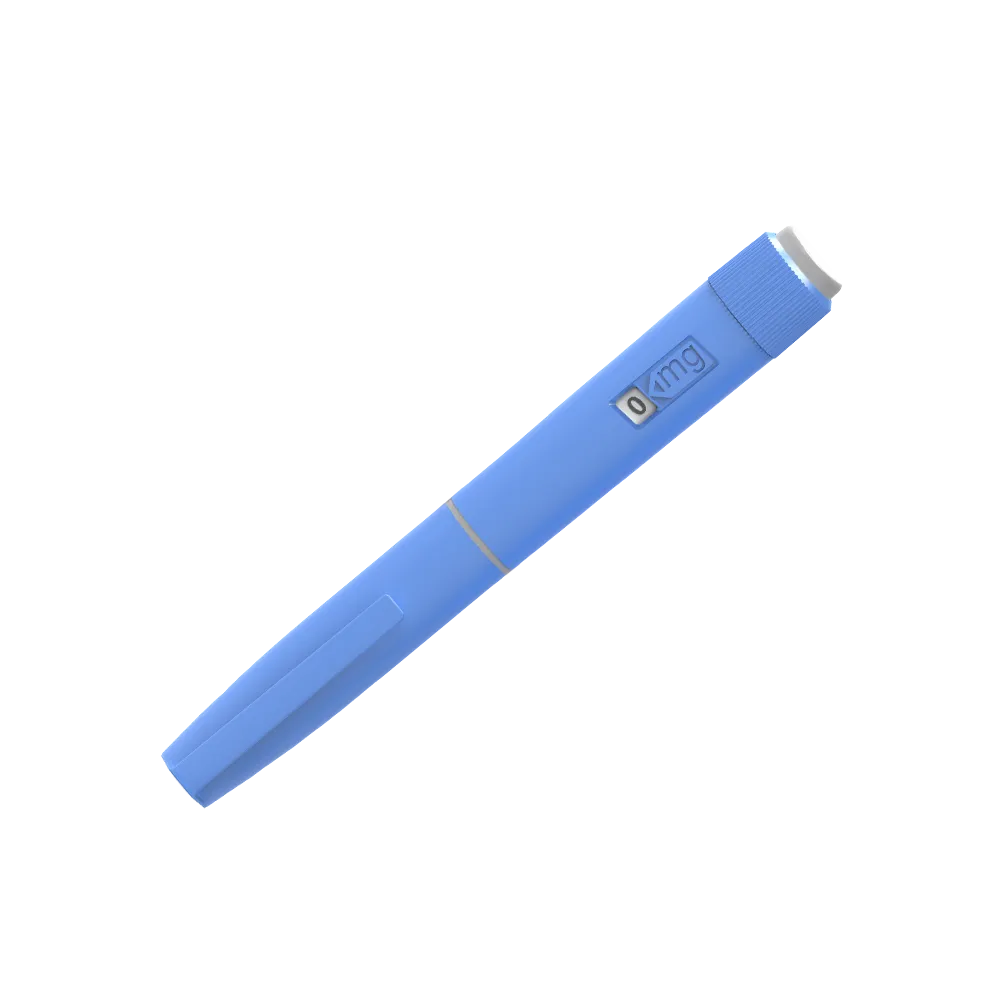
(1) Prepare insulin pens, needles, alcohol, and cotton swabs.
It is important to remove the insulin from the refrigerator in advance and allow it to return to room temperature (no more than 25°C), otherwise the pain of injection will be noticeable; check the expiration date of the insulin to avoid expiration;
(2) Wash your hands;
(3) Clarify the timing of injections of different insulins.
There are four injection sites: abdomen, outer thigh, outer upper arm and outer upper hip. Insulin is absorbed differently at different injection sites.
Rotation includes: major and minor rotations.
The rotation of injections between the four areas of the abdomen, outer thighs, outer upper arms, and outer upper buttocks is called “grand rotation.”
Small rotations within each part are called “mini-rotations”.
Rotation scheme: divide the injection site into four zones, use one zone per week and always rotate in a clockwise direction. Each injection site should be at least 1cm apart and the same injection site should not be reused within a month.
After installing a new needle, the first step is to exhaustion it.
Exhaust method: turn the adjusting device to adjust the dose of 2 units, with the needle pointing upwards, tap the quill to allow air to gather upwards until the medicine flows out of the needle.
Check the injection site. When injecting, avoid injecting in areas such as subcutaneous fat hyperplasia, fat atrophy and ecchymosis.
Failure to avoid these areas will not only result in painful injections and secondary damage to the body, but will also affect the absorption effect of insulin and lead to blood sugar fluctuations.
Injections with shorter needles (4mm or 5mm) require no skin pinching in most patients and are administered at a vertical 90° angle (normal weight and obese adults).
With longer (≥8mm) needles, skin pinching or 45° angulation is required (children and thin adults).
To avoid injecting insulin into the muscle layer, some sugar users need to pinch the skin during injection.
Lift the skin with your thumb, index and middle fingers. If you use your whole hand to pinch the skin, you may pinch the muscle and subcutaneous tissue together, resulting in an intramuscular injection. Pinch the skin with the right amount of force, not too much, as this may cause the skin to turn white or become painful.

Hey, I'm Mike, a R&D engineer at Wanhai Medical, and I work with injection pens every day.
In the past decade, we have provided products and integrated services to over 180 renowned pharmaceutical companies, serving clients across more than 60 countries and territories worldwide.
My days are a "battle for details". This job's meaning is in countless "gentle moments". It turns cold medical processes into warm help, easing long-term injectors' fear and boosting their confidence. Behind it all is my social responsibility, rooted in professionalism and passion: "to make sure every user is well cared for."

 中文
中文
 English
 français
 Español
 العربية
 русский